

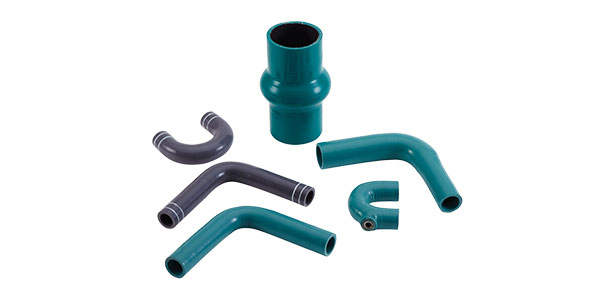
Off-Highway Coolant Hoses: Engineered for Demanding Environments
The off-highway coolant hoses are crucial for the machinery and heavy-duty vehicles operating in challenging conditions around the world. Some of the hoses are designed to challenge severe mechanical, environmental, and thermal conditions.
Function and Importance
The off-highway coolant hoses are crucial for the machinery and heavy-duty vehicles operating in challenging conditions around the world. Some of the hoses are designed to challenge severe mechanical, environmental and thermal conditions.
How Do Off-Highway Coolant Hoses Work?
Off-highway coolant hoses circulate coolant through the engine and radiator. As the engine generates heat, the coolant absorbs it and transfers it to the radiator, where it is dissipated into the surrounding air. This continuous cycle keeps engine components within safe temperature limits, ensuring smooth operation even in harsh working environments.
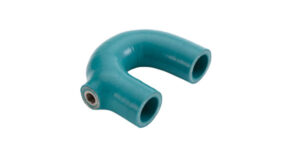
Typical Applications – Coolant Hoses
Coolant hoses in USA are used extensively in engine cooling systems across various off-highway equipment types, including:
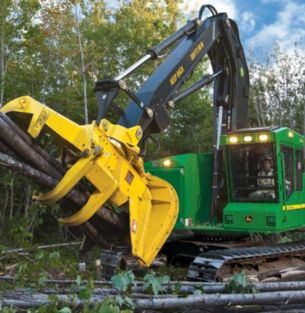
Forestry and logging
machines
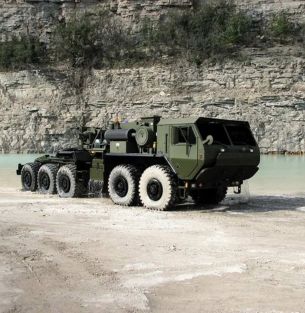
Military and defense
vehicles

Earthmovers and
bulldozers

Agricultural tractors and harvesters
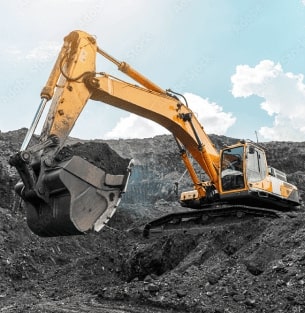
Mining trucks, drilling equipment
Maintenance and Lifecycle Considerations
Due to the high cost of downtime in off-highway industries, coolant hoses are often designed with longer service intervals and higher durability. Preventive maintenance—including regular inspection, pressure testing, and scheduled replacement—is essential to avoid catastrophic engine damage or system failure.
Why is Hose Care Important?
Proper maintenance of coolant hoses helps prevent leaks, ruptures, and unexpected equipment failure. Routine checks not only extend hose life but also enhance overall system efficiency and protect critical engine components.
Advancements in Hose Technology
With increasing demands on modern off-highway vehicles, manufacturers are investing in advanced materials and hose designs. Recent innovations include:
Next-Generation Elastomer Blends
Reduced weight while maintaining strength and durability.
Enhanced Flexibility
Designed for compact engine compartments and tighter routing paths
Improved Thermal Resistance
Withstands higher engine output and tighter tolerances in modern powertrains.
These advancements enhance hose performance, reduce maintenance needs, and improve equipment uptime and fuel efficiency.
How to Select the Right Coolant Hose
Choosing the correct coolant hose requires a thorough understanding of the application. Key selection criteria include:
- Operating pressure and temperature
- Routing complexity and movement within the engine bay
- Type of coolant used
- Exposure to vibration and mechanical stress
Using an unsuitable hose can result in coolant system failure, costly downtime, and potential engine damage. For best results, consult with an experienced manufacturer, authorized distributor, or application engineer.
Conclusion
While the hoses look like small equipment within a large system, off-highway coolant hoses are crucial to keep heavy equipment running smoothly. By selecting the right hose and then properly installing it, operators can reduce downtime in heavy equipment and improve the performance and life of the machines. Off-highway hoses for heavy equipment in the USA will become increasingly important with the development of vehicle systems.